
The Medicine of Stillness
“Sometimes the most sacred thing we can do is simply press pause.”
MAY 2026

The Wisdom Hidden Within
There is something radical about stillness in the world we live in today. In a society that drives worth from productivity, achievement, and urgency, we have trained our nervous systems to be in a perpetual state of anticipation. We scroll while eating, listen while driving, multitask while speaking and pack our lives so full of tasks there is no space for quiet pause. Let me ask you this... do you feel the need to fill time on your schedule that is empty with things to do, people to see and places to go or do you protect that time so you can spend it in solitude, in silence? To ground, to calm, to listen?
I have always been someone that needs to recharge in solitude, to carve out time solo. I love only hearing the sounds of the elements and nature around me. As I get older, I need increasingly more of this quiet solitude, as a break from the busyness of the world around me. I cultivate a calm environment so I can check in on my nervous system to hear what is out of balance, bringing peace back into my body and mind.
I long for stillness. Not because stillness is empty, but because it is full. Stillness is where the body begins to soften, where the nervous system remembers safety, and the mind loosens its grip on endless thought. This is the threshold where spirit becomes easier to hear.
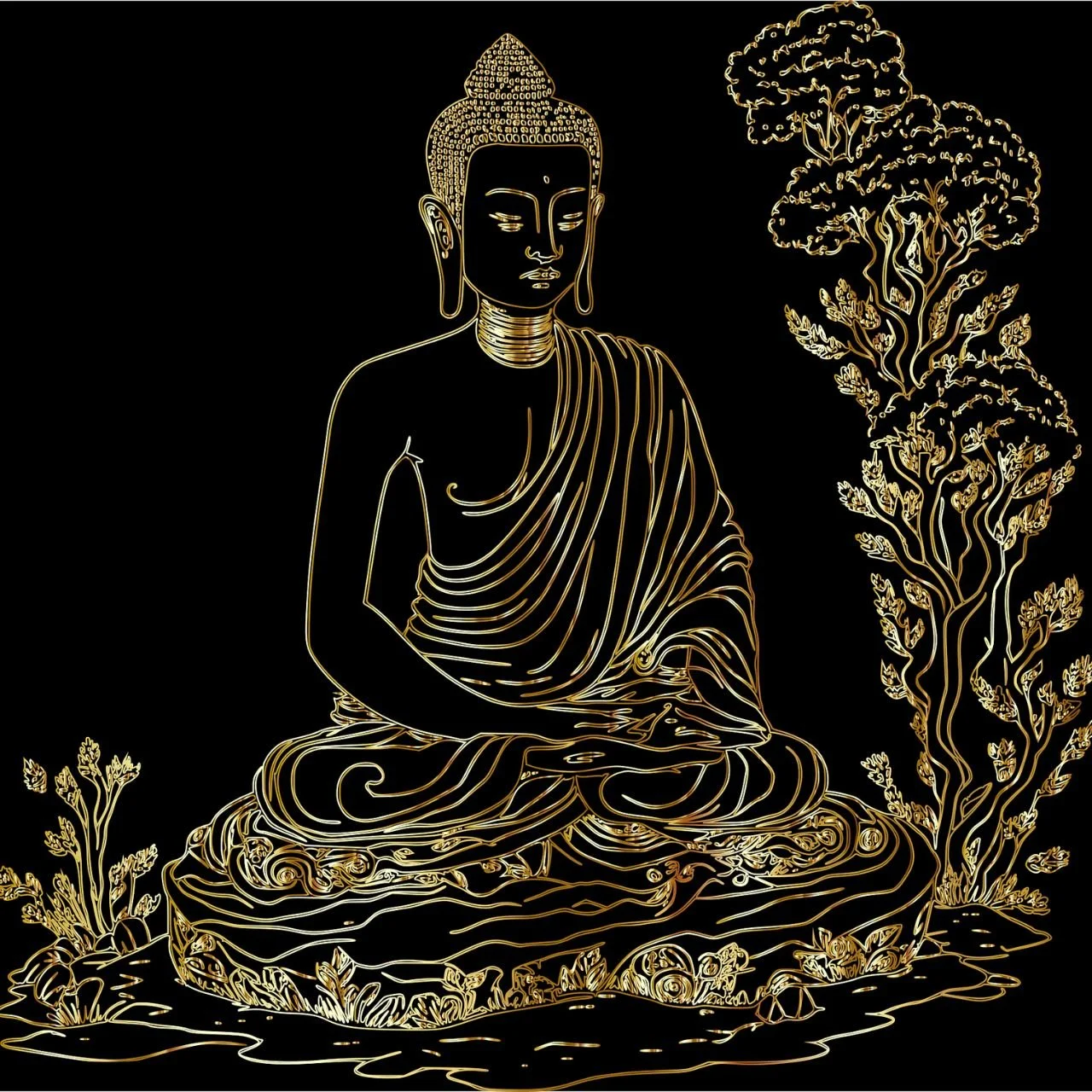
Across wisdom traditions, stillness has never been viewed as passive. It is a doorway, a sacred practice of remembering who we are beneath the conditioning, roles and mental chatter.
As Sadhguru beautifully says, “Meditation is really just levels of stillness.”
Nervous System Overload
Our nervous systems were not created for the relentless pace of modern life. The human body is exquisitely intelligent, but it depends upon balanced rhythm, regulation and restoration to function optimally. When we remain in chronic states of stress, the sympathetic nervous system — often referred to as the fight or flight response — remains activated. Over time, this can contribute to fatigue, anxiety, digestive disturbances, inflammation, shallow breathing, sleep disruption, emotional overwhelm and eventually disease.
Stillness offers the body an opportunity to shift. When we consciously slow down through meditation, silence, mindful breathing, prayer, nature immersion or moments of intentional pause, we activate the parasympathetic nervous system — the body’s rest and restore state.
Research into meditation and contemplative practices continues to demonstrate positive effects on emotional regulation, heart rate variability, cognitive flexibility and stress reduction. The body responds profoundly to moments of safety and presence. Muscles soften, breathing deepens, cortisol lowers and our heart rhythms become coherent. Stillness is not doing nothing, it is allowing the body to return to balance.
The Vagus Nerve and the Language of Safety
One of the most fascinating aspects of stillness is its relationship with the vagus nerve. The vagus nerve is the primary communication pathway between the brain and many major organs, including the heart, lungs and digestive system. It plays a central role in regulating our nervous system and emotional state.
When the vagus nerve is functioning well, we tend to experience greater emotional resilience, calmer responses to stress, improved digestion, steadier heart rhythms and a deeper sense of internal safety. Practices that support vagal tone include:
Slow conscious breathing
Meditation
Humming and chanting
Prayer
Gentle movement practices
Time in nature
Mindful stillness
Gratitude and compassion practices
Stillness is a language the body understands. The nervous system interprets slowness and presence as safety rather than danger. And this matters deeply because many people today are not exhausted simply from doing too much — they are exhausted from remaining internally activated for too long. Stillness gives the body permission to exhale
Echoed Across Ancient Wisdom Traditions
Long before neuroscience began exploring meditation and nervous system regulation, ancient spiritual traditions understood the transformative power of silence and stillness. In yogic traditions, stillness is viewed as a pathway to union with consciousness itself. Meditation is not merely relaxation but a movement beyond identification with the restless mind.
In Buddhism, stillness cultivates awareness and liberation from attachment.
In Christian mysticism, contemplative prayer and silence create space to commune with God beyond words.
In Taoism, stillness aligns us with the natural flow of life and the wisdom of non-force.
In Indigenous traditions around the world, silence and deep listening are often central to connection with nature, spirit and ancestral wisdom.
The ancient texts consistently remind us that stillness is not separate from spirituality — it is foundational to it. In stillness, we begin to hear what constant noise was drowning out.
When the Noise Falls Away
Many people discover that the moment they attempt to become still, restlessness appears. Thoughts become louder, emotions surface, the body fidgets. The urge to check your phone suddenly feels overwhelming. This is incredibly common. The absence of noise and constant movement can feel almost confronting. This doesn’t mean we are bad meditators, it is a process of retraining and recalibrating.
Also, stillness is not the absence of all thought, it is the practice of not becoming entangled in every thought. When I become aware that my mind has wandered, I simply bring my focus back to the breath and as I exhale I imagine blowing that thought out and away from me, fading into the distance and come back to the slow inhale and exhale of the breathe to recenter myself. Over time, the spaces between the mental noise begin to widen. And within those spaces, something sacred emerges.
Cultivating Stillness into Daily Life
The first moments after waking are incredibly impressionable for the nervous system and mind. Creating even five quiet minutes before engaging with technology can change the energetic tone of the day.
Sit. Breathe. Stretch. Listen to the birds outside. Place your feet on the earth. Allow yourself to arrive before the world rushes in.
Practice conscious breathing
Slow, intentional breathing is one of the fastest ways to regulate the nervous system. Try this:
Inhale slowly for four counts
Exhale slowly for six counts
Repeat for several minutes
Lengthening the exhale gently signals safety to the body.
Spend time in nature without distraction
Nature naturally entrains the nervous system into slower rhythms. Nature does not hurry, yet everything is accomplished.
Walk without headphones
Observe the sky
Sit beneath a tree
Listen to water moving
Create mini moments of silence
Many people associate stillness with long meditation practices, but even micro-moments matter.
Pause before responding in conversation
Sit quietly with a cup of tea
Take three conscious breaths before entering your home after work
Try seated meditation
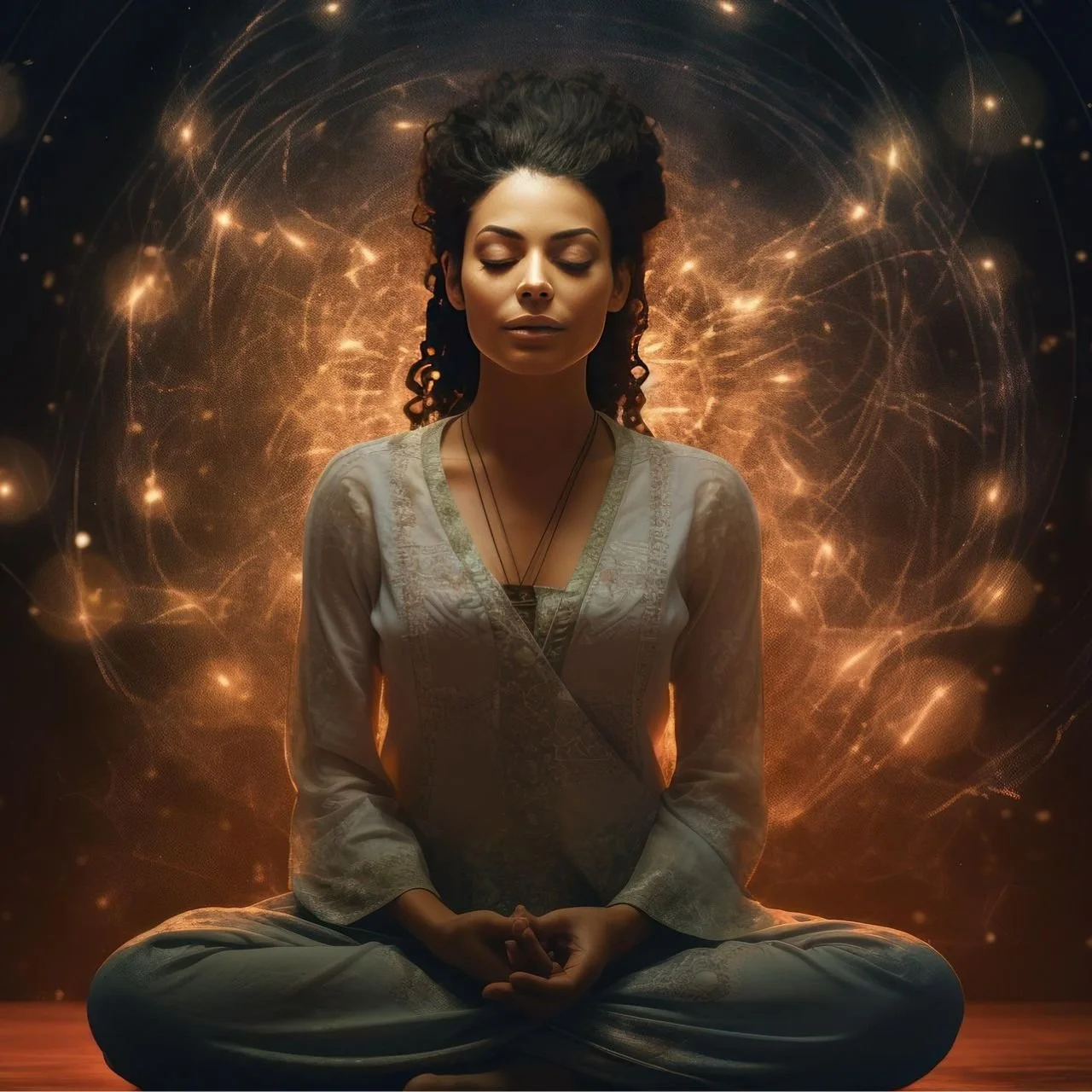
Meditation does not need to be complicated.
Sit comfortably
Close your eyes
Bring awareness to the breath
When thoughts arise, gently return attention to breathing
No forcing, no striving. Just notice what is.
Stillness and the Soul
Beyond the physiological and emotional benefits, stillness nourishes our soul. There are aspects of ourselves that cannot be accessed through busyness. Many spiritual teachers describe silence as the place where truth becomes easier to perceive. Not because answers suddenly arrive dramatically, but because the internal noise begins to settle enough for wisdom to emerge naturally. In stillness, we often rediscover what we already knew beneath the overwhelm.
ne of the greatest misconceptions about stillness is that it means disengaging from the world. True stillness does not disconnect us from life, I feel it reconnects us to it more fully. When the nervous system is regulated and the mind less reactive, we often become:
More compassionate
More present in relationships
More intentional with our words
More attuned to beauty
More grounded in decision-making
Less driven by fear and urgency
Stillness changes the quality of how we meet life by restoring the relationship with ourselves and all that is around us. And perhaps this is why stillness has remained sacred across every ancient wisdom tradition throughout human history and why so many spiritual teachers continue to point us inward. It is the key – it holds the potential to transform us from within.
Musing in Summary
In a world that constantly asks us to move faster, achieve more, and remain endlessly connected, stillness is our salve, our medicine.
It brings the body to a total state of calm and balance. It reminds the mind that peace is our natural, divine state beyond constant thought. That nothing essential about who we are needs to be chased, forced or endlessly achieved. I hope you find deep healing in this knowing.
Sound healing and meditation offer a beautiful entry point into energetic work. Discover the 1:1 session here.